The History of Crystal's at Inner Sanctum Retreat - Inner Sanctum Retreat

Main menu:
Crystals Training
The History of Crystal's
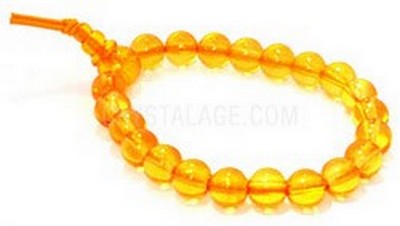
The oldest amulets are of Baltic amber, some from as long as 30,000 years ago and amber beads were discovered in Britain from 10,000 years ago, the end of the last ice age. The distance they travelled to reach Britain shows their value to the people of that time. Jet was also popular and jet beads, bracelets and necklaces have been discovered in Palaeolithic gravesites in Switzerland and Belgium. There have been malachite mines in Sinai since 4000 BC.
Amulets were banned by the Christian church in 355 AD, but gemstones continued to play an important role, with sapphire being the favoured gem for ecclesiastical rings in the 12th century. Marbodus, the Bishop of Rennes in the 11th century, claimed that agate would make the wearer more agreeable, persuasive and in favour of God. There were also many symbolic references, such as the carbuncle representing Christ's sacrifice.
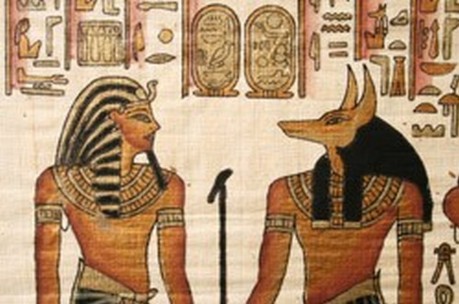
The first historical references to the use of crystals come from ancient the Ancient Sumerians, who included crystals in magic formulas. The Ancient Egyptians used lapis lazuli, turquoise, carnelian, emerald and clear quartz in their jewellery. They also carved grave amulets of the same gems. The Ancient Egyptians used stones primarily for protection and health. Chrysolite (later translated as both topaz and peridot) was used to combat night terrors and purge evil spirits. Egyptians also used crystals cosmetically. Galena (lead ore) was ground to a powder and used as the eye shadow known as kohl. Malachite was used in a similar manner. Green stones in general were used to signify the heart of the deceased and were included in burials. Green stones were used in a similar way at a later period in Ancient Mexico.
The Ancient Greeks attributed a number of properties to crystals and many names we use today are of Greek origin. The word 'crystal' comes from the Greek word for ice, as it was believed that clear quartz was water that had frozen so deeply that it would always remain solid. The word amethyst means 'not drunken' and was worn as an amulet to prevent both drunkenness and hangovers. Hematite comes from the word for blood, because of the red colouration produced when it oxidises. Hematite is an iron ore and the ancient Greeks associated iron with Aries, the god of war. Greek soldiers would rub hematite over their bodies before battle,perportedly to make themselves invulnerable. Greek sailors also wore a variety of amulets to keep them safe at sea.
Jade was highly valued in ancient China and some Chinese written characters represent jade beads. Musical instruments in the form of chimes were made from jade and around 1000 years ago Chinese emperors were sometimes buried in jade armour. There are burials with jade masks from around the same period in Mexico. Jade was recognised as a kidney healing stone both in China and South America. More recently - dating from around 250 years ago - the Maoris of New Zealand wore jade pendants representing the ancestor spirits, which were passed down many generations through the male line. The tradition of green stones being lucky continues in parts of New Zealand to this day.